Before You Buy a YouTube Money-Making Course: 12 Questions to Ask
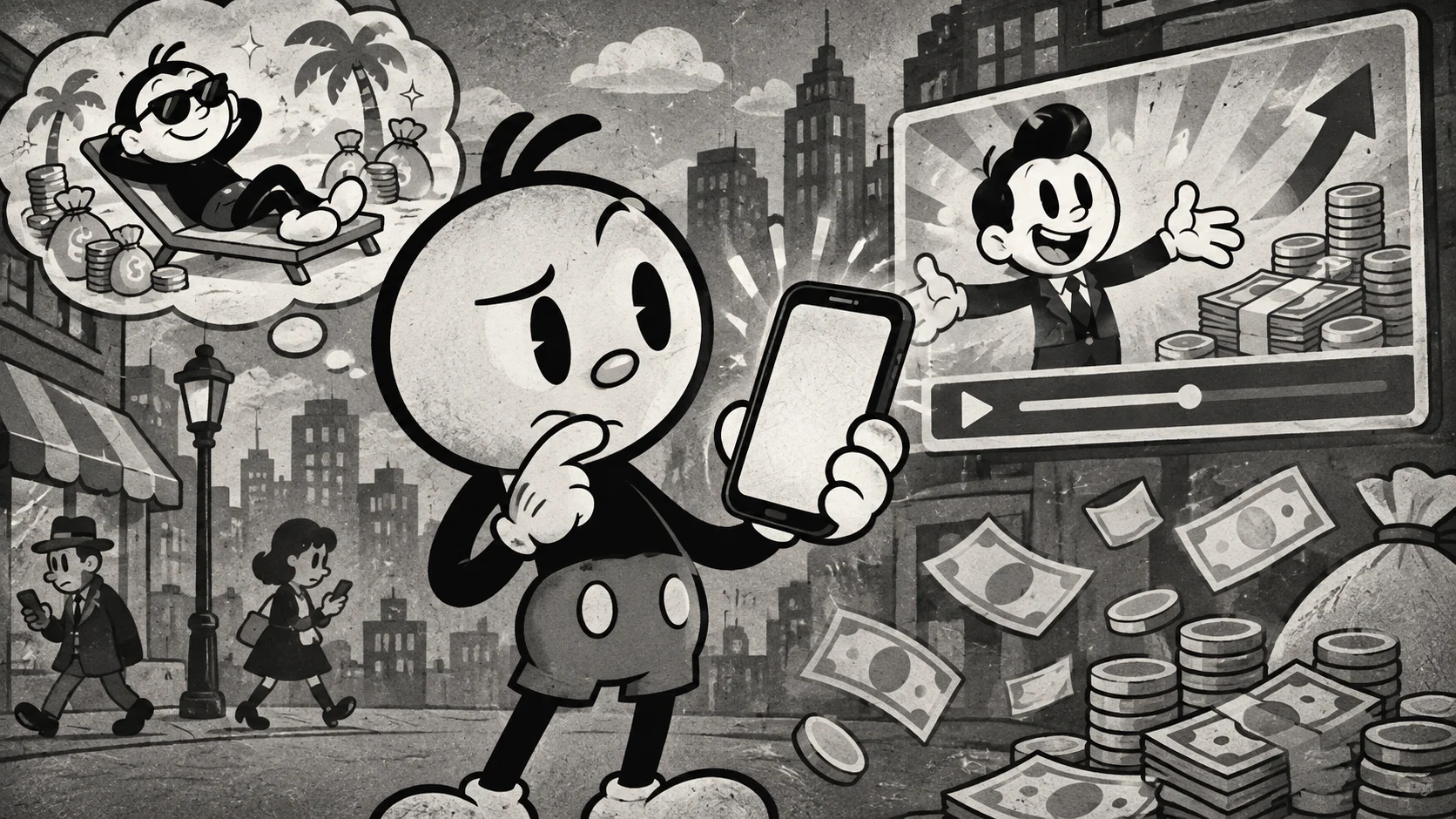
A slick video and a few success stories do not establish typical outcomes. The FTC warns that guaranteed earnings and “proven systems” can signal a coaching scam, and the Competition Bureau requires material influencer connections to be disclosed clearly. FTC coaching red flags↗ · Competition Bureau: influencer disclosures↗
Before you act#
These articles address consumer purchases in the United States and Canada; they are not a single North American legal regime. In Canada, provincial or territorial contract remedies vary; Ontario examples are labelled. In the United States, state laws and the facts of the transaction may add or change remedies. A report to a regulator is not an individual refund order. If you bought a course primarily for an existing business, consumer-law coverage may be different. Check your agreement and applicable local law; seek legal advice for a material loss.
The 12-question checkout test#
- Who is the legal seller and who will appear on my statement?
- Are the creator and seller the same person?
- Is the claimed number revenue, profit or a one-time high?
- How many purchasers achieved it, during what period?
- What did typical participants spend on ads, software and upgrades?
- Are testimonials paid, affiliated or selectively chosen?
- What exact modules, coaching hours and response times are included?
- What extra purchases are required to use the “system”?
- Is it a one-time fee, instalments or auto-renewal?
- What are the refund conditions at checkout?
- Can I keep a copy of the contract and order confirmation?
- Would I still buy if the income claim were removed?
Treat U.S. disclosures carefully#
The FTC says sellers of covered business opportunities may have special disclosure and earnings-claim duties. A generic online course is not automatically covered by that rule, so do not demand a one-page disclosure as though it applies to every creator course. Instead ask for the evidence behind earnings claims and the complete contract. FTC: business opportunity disclosures↗. The FTC’s endorsement guidance also says a “results not typical” disclaimer does not necessarily solve a misleading results claim. FTC: testimonial guidance↗
Look for compensation and Canadian rules#
In Canada, sponsored creators should clearly disclose material connections such as payment or commissions. A discount code alone may not make the connection sufficiently clear. Ontario buyers can review the province’s guidance on contract details and misleading representations; other provinces differ. Competition Bureau: influencer marketing↗ · Ontario: contract rules↗
Save your pre-purchase file#
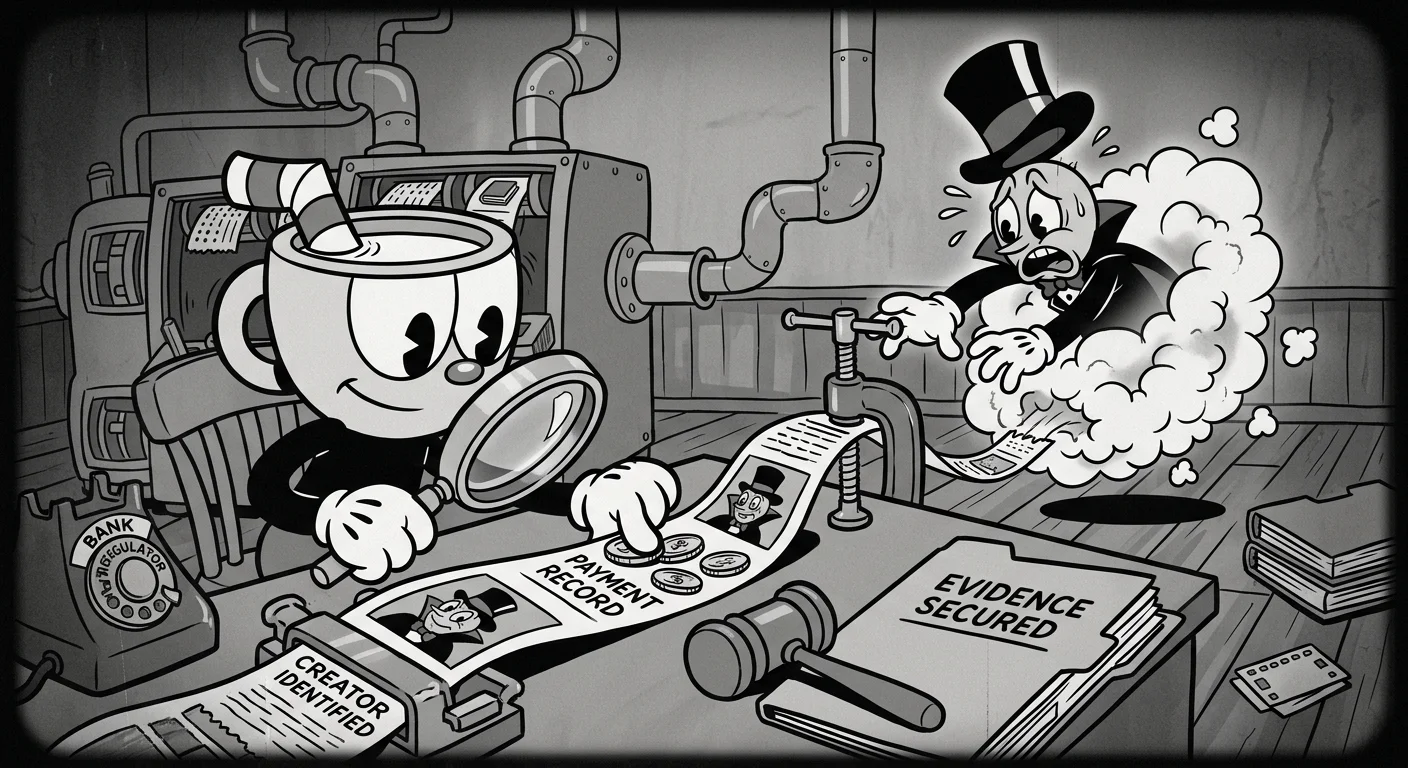
Capture the full video context, checkout price, refund policy, support promises and seller identity before paying. The FTC recommends searching the seller’s name along with “complaint” or “scam,” but a clean search result is not proof of legitimacy. FTC online shopping advice↗
Frequently asked questions#
▪Is every income claim a scam?
No. Ask for a verifiable basis, typical outcomes and the costs required to achieve them.
▪Does a U.S. business-opportunity disclosure rule cover all courses?
No. Whether that special rule applies depends on the transaction and what is offered.
▪Is a Canadian influencer discount code sufficient disclosure?
The Competition Bureau says simply linking, tagging or sharing a code is unlikely to be enough by itself.
Your next move#
Do not buy until you can answer the 12 questions in writing. If the seller will not clarify price, deliverables or refund conditions, walk away.
Official sources#
- FTC: spotting coaching scams↗
- FTC: vetting business opportunities↗
- FTC: endorsements and testimonials↗
- Competition Bureau: influencer marketing↗
- Ontario: consumer contracts↗
**Editorial note:** Any scenario labelled illustrative is fictional. Do not imply that the named agencies investigated the hypothetical seller or that a refund is guaranteed.
Is every income claim a scam?▼
No. Ask for a verifiable basis, typical outcomes and the costs required to achieve them.
Does a U.S. business-opportunity disclosure rule cover all courses?▼
No. Whether that special rule applies depends on the transaction and what is offered.
Is a Canadian influencer discount code sufficient disclosure?▼
The Competition Bureau says simply linking, tagging or sharing a code is unlikely to be enough by itself.