
“If it was really that good, nobody would share it.”
Bought a course from a YouTube “guru”? Get your money back.
Free tools and step-by-step guides for buyers of misleading money-making courses and coaching programs in the U.S. and Canada: refund requests, credit-card chargebacks, FTC and Competition Bureau reports, and small claims.
Free tools
Check the red flags in the course you bought →
Tick the claims and sales tactics you saw. Get a risk score and the next steps for a refund or report.
Chargeback LetterGenerate a refund demand and card dispute letter →
Fill in a few fields and copy a ready-to-send letter for your seller and your credit-card issuer.
Refund & reporting guides
All 8 guides →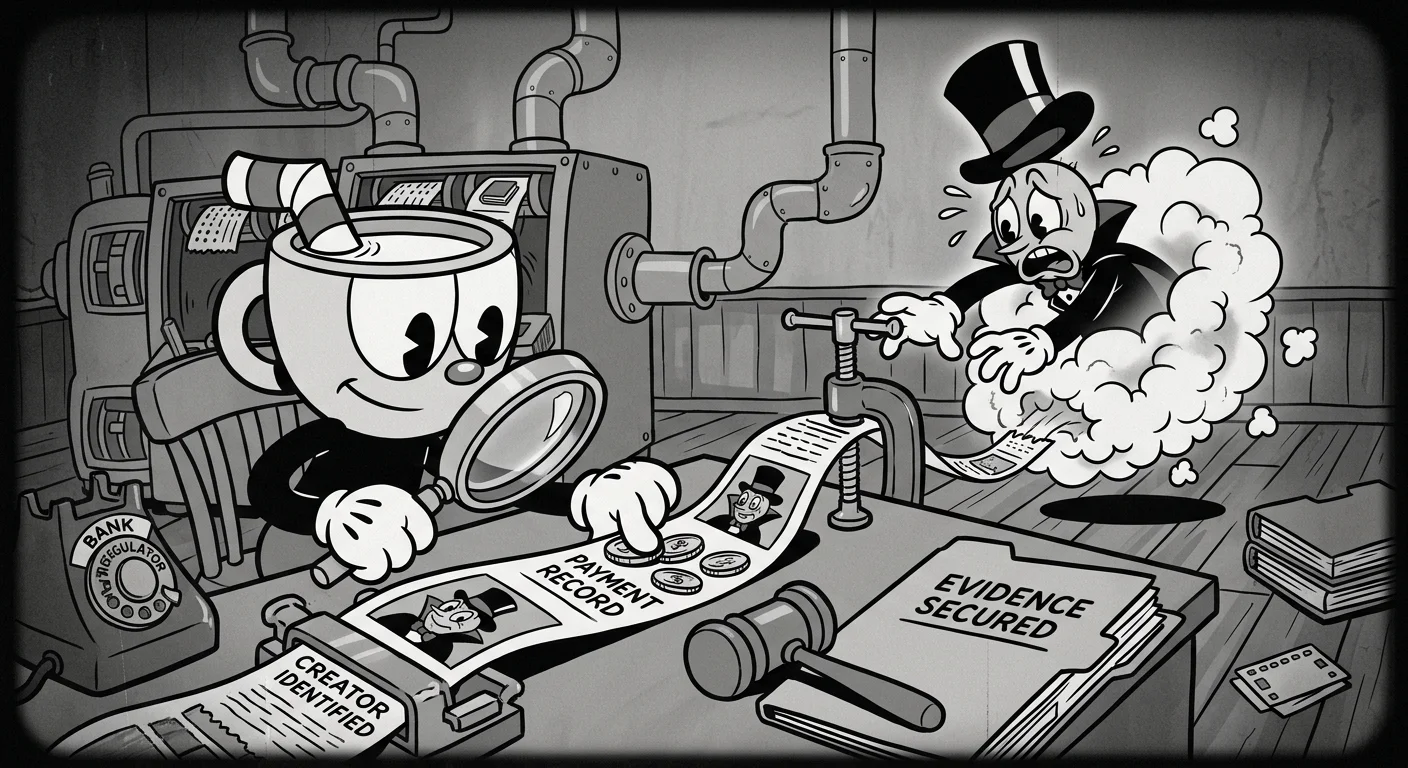
Before You Buy a YouTube Money-Making Course: 12 Questions to Ask
Check earnings claims, hidden subscription fees, student testimonials, affiliate kickbacks, and strict refund terms before buying high-ticket coaching programs.
Verify registered business identity, independent median results, and written refund clauses before transferring funds.
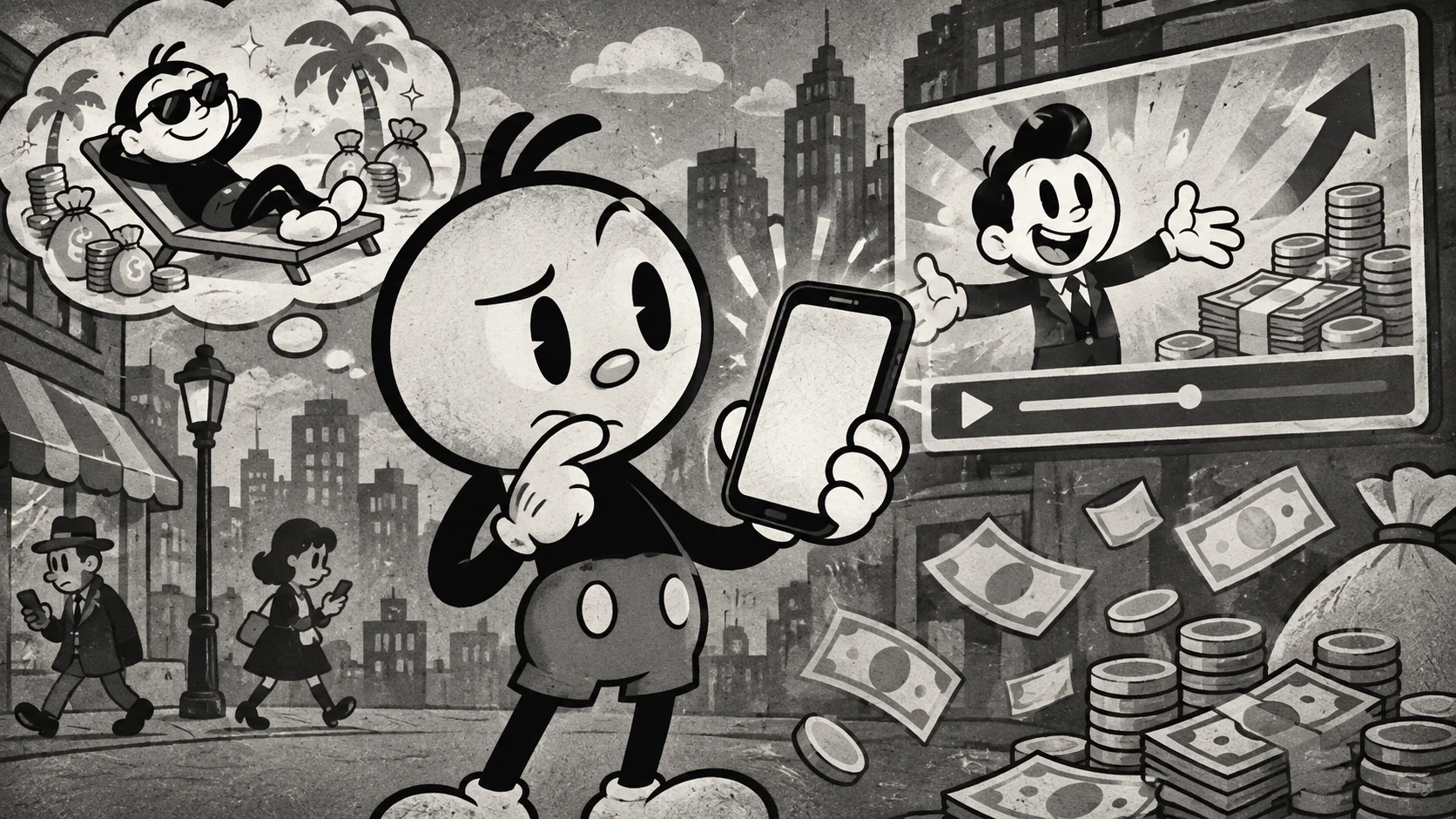
Paid for a Creator Course That Feels Like a Scam? Take These 5 Steps First
What to do immediately after buying a misleading course: preserve digital proof, request a formal refund, notify your payment provider, and file regulatory reports.
Build a two-column evidence log comparing sales promises against delivered access, and demand a written refund immediately.
“You Didn’t Do the Work, So No Refund”: How to Test a Coaching Program’s Terms
Did a creator deny your refund claiming you missed assignments, community check-ins, or milestones? How to challenge hidden terms against initial sales promises.
Compare pre-purchase pitch with post-purchase restrictions; uncommunicated conditional refund hurdles cannot override material misrepresentation.
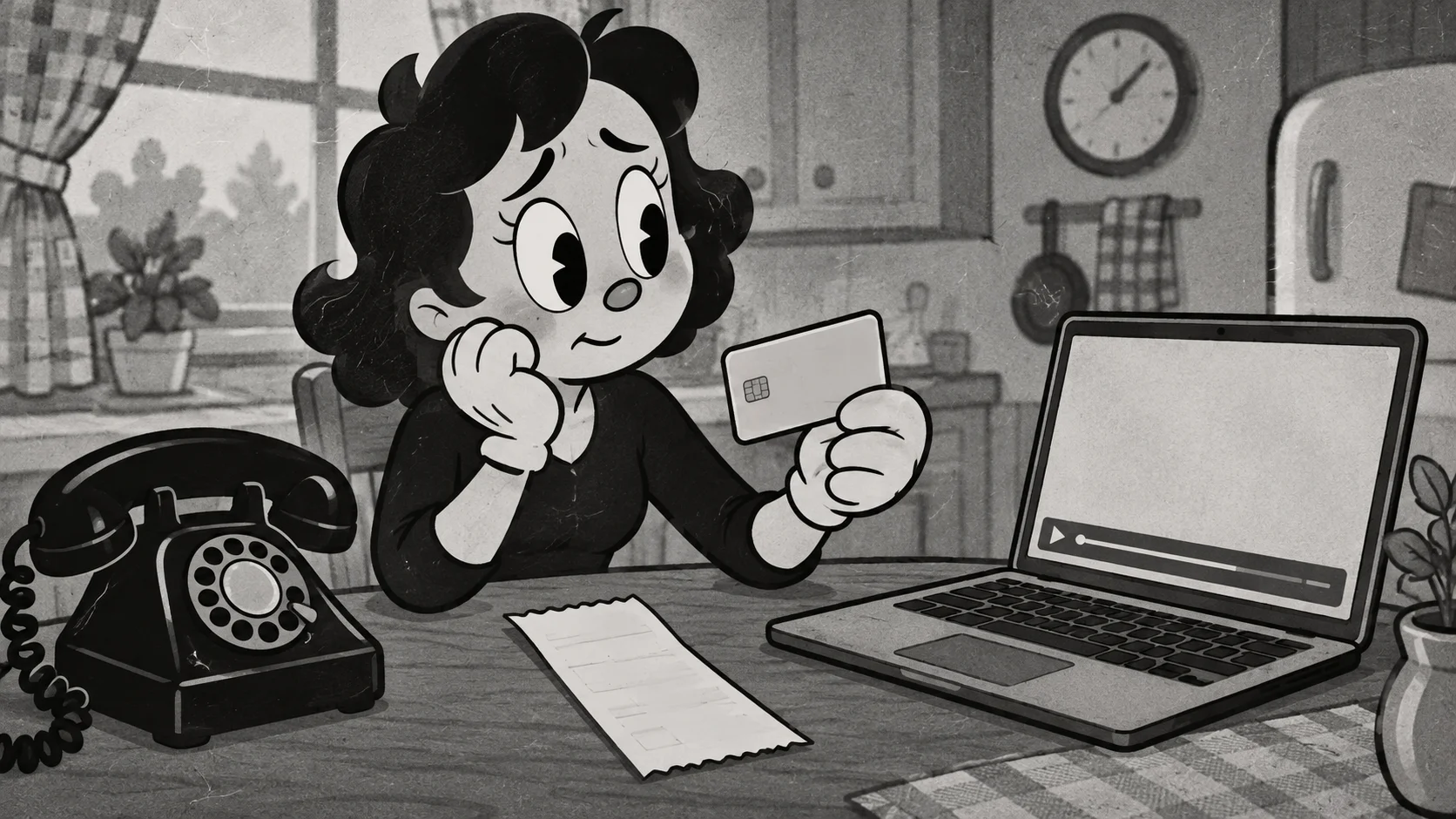
How to Dispute a Credit-Card Charge for an Online Course in the U.S. or Canada
Step-by-step credit card dispute blueprint under the Fair Credit Billing Act (FCBA 15 U.S.C. § 1666): meeting the 60-day notice rule and assembling the dispute packet.
File formal written billing error notice within 60 days of the statement date documenting breach of promised services.
Watched Part of an Online Course: Can You Still Get a Refund?
Does watching 10% or a few introductory modules void your statutory or contract refund rights? Assessing failure of consideration and substantial non-performance.
Watching initial videos does not forfeit refund rights if the core promised mentoring, proprietary tools, or materials were never delivered.
Course Creator Disappeared After Payment? What to Do Before Evidence Vanishes
What to do when an influencer or guru deletes their channel, Discord, or portal right after launching a cohort. Fast evidence preservation and payment provider remedies.
Archive domain whois data, payment processor descriptor receipts, and submit non-delivery claims directly to card networks.
Refund Denied After a Creator Course? When to Consider Small Claims
When both the merchant and card issuer decline relief: evaluating jurisdictional limits, demand letters, filing fees, and enforcement feasibility across states and provinces.
Serve a formal pre-litigation demand letter with itemized exhibits before filing in your local jurisdiction's small claims division.
Can You Post a Negative Review of a Creator Course? Facts, Proof and Privacy
How to warn other consumers online without triggering defamation lawsuits, SLAPP threats, or non-disparagement clause penalties. Protected truthful speech principles.
Rely exclusively on provable timestamps and verbatim quotes; U.S. Consumer Review Fairness Act voids form contract gag clauses.